Recycling and Sustainability — Cleaning Rainy London
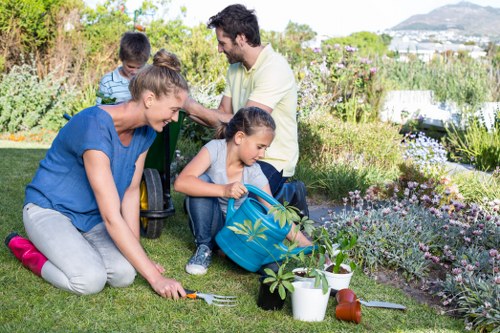 Cleaning Rainy London champions a practical, community-centred approach to sustainable waste management across the capital. Our policy combines an eco-friendly waste disposal area with a thriving sustainable rubbish gardening area, creating closed-loop systems where possible and cutting landfill dependency. This page explains our targets, on-the-ground activities, local partnerships and fleet improvements that help reduce carbon and increase reuse.
Targets and Commitments
We aim to raise the borough-level recycling rate through focused services: a recycling percentage target of 65% household and commercial diversion by 2030, with interim milestones of 50% by 2027. Cleaning Rainy London services support boroughs' ambitions by concentrating on high-diversion streams such as food, glass and textiles, and by improving capture rates at communal and commercial sites.
 Our sustainable approach reduces emissions and improves resource value. By combining transfer station consolidation, partnerships with reuse charities and investments in low-carbon logistics we lower the miles per tonne of material transported and increase recovery rates across Rainy London neighbourhoods.
At the heart of our model is the eco-friendly waste disposal area. These designated zones separate incoming streams on arrival: dry recyclables, food and garden waste, bulky and WEEE items, and residual refuse. In practice, this means fit-for-purpose bays for household glass, paper and card, mixed recycling, and separate food waste containers where boroughs run weekly collections.
Common recycling activities we support include:
- Glass and cans: kerbside and communal glass capture to keep quality high.
- Paper & card: managed to reduce contamination and increase bale quality.
- Food & garden waste: routed to composting or anaerobic digestion facilities.
- Textiles & bulky goods: diverted through reuse partners to lengthen product life.
- Batteries & WEEE: segregated to meet hazardous waste requirements.
 These activities reflect variations in borough schemes — some operate a two-bin collection, others a three-bin system with separate food waste or weekly glass collections — and our teams adapt to local rules while maintaining consistent contamination-control standards.
Local Transfer Stations and Route Efficiency
We work closely with a network of local transfer stations and waste reception hubs across London, including borough transfer facilities and established sites such as Edmonton EcoPark and key south London transfer points. Consolidating loads at strategically placed transfer stations reduces vehicle movements, minimising emissions and helping meet our recycling percentage target.
Route planning and load optimisation are central to lowering carbon footprints. Our logistics use dynamic routing, consolidated run-scheduling and timed drop-offs at transfer hubs to shrink unnecessary travel, while also maintaining quick turnaround for collections in high-density Rainy London wards.
Partnerships with charities form a core reuse pathway: furniture, household textiles and functional appliances are sorted at our eco-friendly centres and offered to trusted organisations like the British Heart Foundation, St Mungo's and local community reuse schemes, ensuring items find a second life rather than reaching landfill.
Creating a sustainable rubbish gardening area is a priority for neighbourhood renewal. We convert green waste into compost and mulch for community gardens and verge planting, support rain gardens to manage runoff and use repurposed materials for raised beds. This hands-on reuse reduces disposal costs and enhances urban biodiversity in Rainy London districts.
Low-carbon vans are now a regular feature of our fleet. We operate electric vans for short urban runs and hybrid or bio-LPG vehicles for longer trips, plus cargo bikes for last-mile collections in congested borough centres. Telematics and driver eco-training further reduce fuel use and emissions while keeping services responsive.
Cleaning in Rainy London respects borough-specific separation rules: where councils collect food waste weekly we co-operate to collect and transport it for anaerobic digestion; where communal recycling is preferred we provide sorting stations and contamination-reduction signage to improve material quality.
 The benefits of combining an eco-friendly waste disposal area with a sustainable rubbish gardening area are measurable: higher diversion rates, more material reused locally, reduced transport emissions and increased green amenity value. Our performance metrics track tons diverted, reuse volumes through charity partners and vehicle CO2 savings against baseline years.
 Community engagement and transparent reporting underpin our approach. We run educational drop-in sessions in collaboration with local borough teams and charities (without offering step-by-step guides), and we publish progress against our targets so councils and residents can see the impact of improved segregation, reuse and low-carbon logistics.
Cleaning Rainy London remains committed to pragmatic, scalable sustainability: increasing the recycling percentage target, investing in low-emission vehicles, strengthening transfer station networks, and deepening charity partnerships — all while transforming waste spaces into productive, green community assets. Together with borough schemes and local groups we turn everyday rubbish into resources for a greener, more resilient Rainy London.